🎵 Audio guide
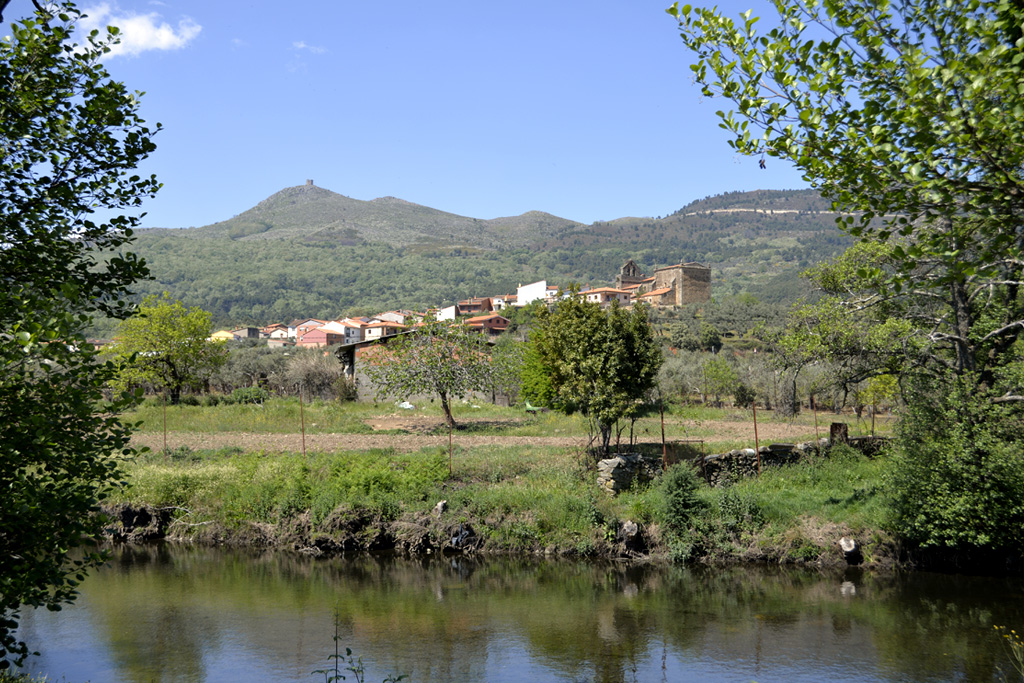
Under the watchful gaze of the Almenara castle, in the foothills of the Sierra de las Jañonas, the village of Cadalso is situated at the point where the Árrago valley widens out.
Due to its geographical location it was historically the gateway to the upper reaches of the River Árrago towards the Kingdom of Castile, nowadays the province of Castilla y León.
These rich land have been inhabited since prehistoric times. The Romans populated this area which was later fiercely defended by the Moors. Its written history begins in 1212 when Alfonso IX oversaw the annexation of the Sierra de Gata by the Kingdom of León, initiating its repopulation.
In 1251, the village of Cadalso and its church were included in the estate of San Juan de Máscoras, (which is now Santibáñez el Alto) which at that time belonged to the Order of Alcántara.
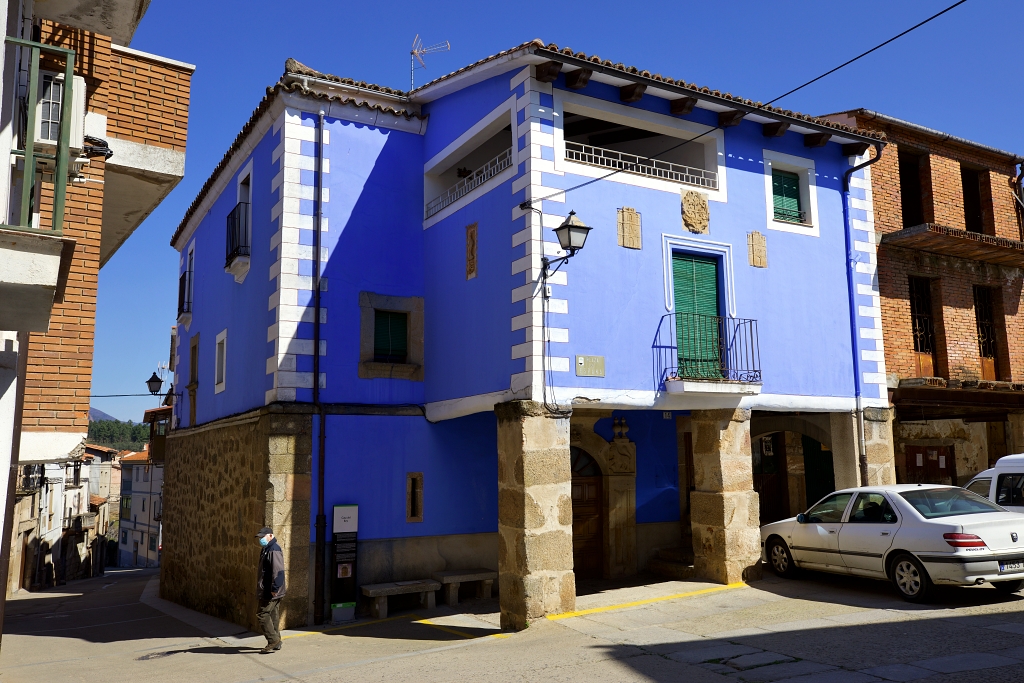
Around 1340, King Alfonso XI came for hunting trips and stayed in Cadalso in the house still known today as the King's House (la Casa del Rey). In 1341, Cadalso bought its freedom for 1,500 ducats or gold coins, thus becoming an independent town.
In 1656, at the height of the Portuguese Restoration War there was a fort surrounding the church, built by the villagers themselves, traces of which can still be seen on the eastern side of the church.
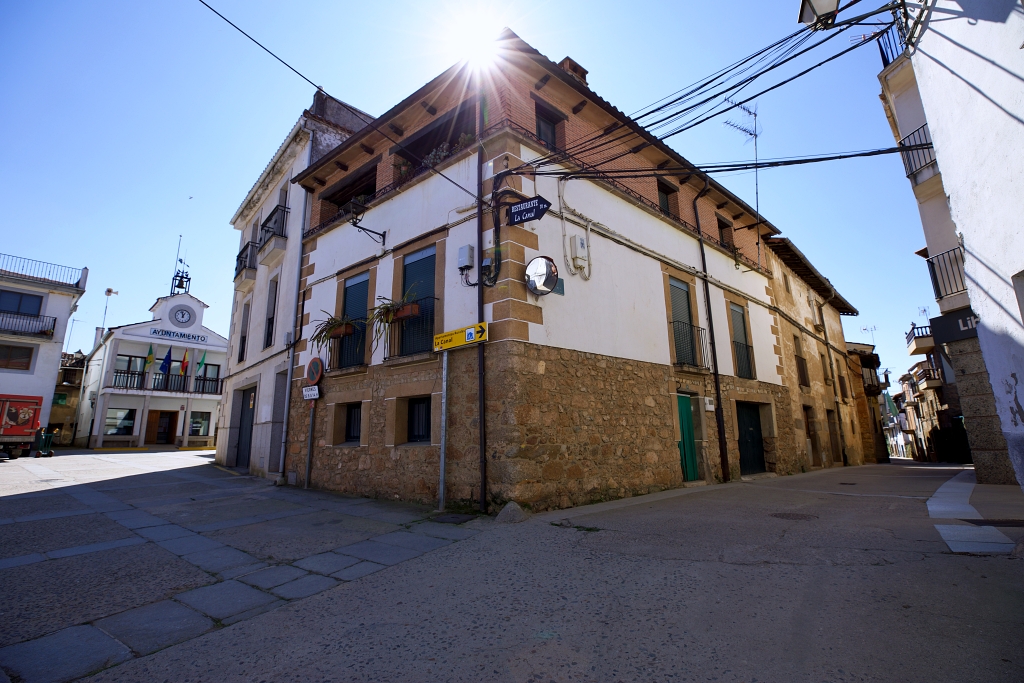
The original hamlet was built on an area of high ground above the valley. The village square was the starting point of the old road to the village of Torre de Don Miguel, passing the Chapel of Christ (la Ermita del Cristo). Narrow streets with three-storey houses radiate out from the square. A winding street leads uphill to the church which is located in the highest part, in the outskirts of the village.
To the north, there are three olive mills beside the Fuente Vieja (Old Spring) which flows alongside the village before joining the Árrago river.
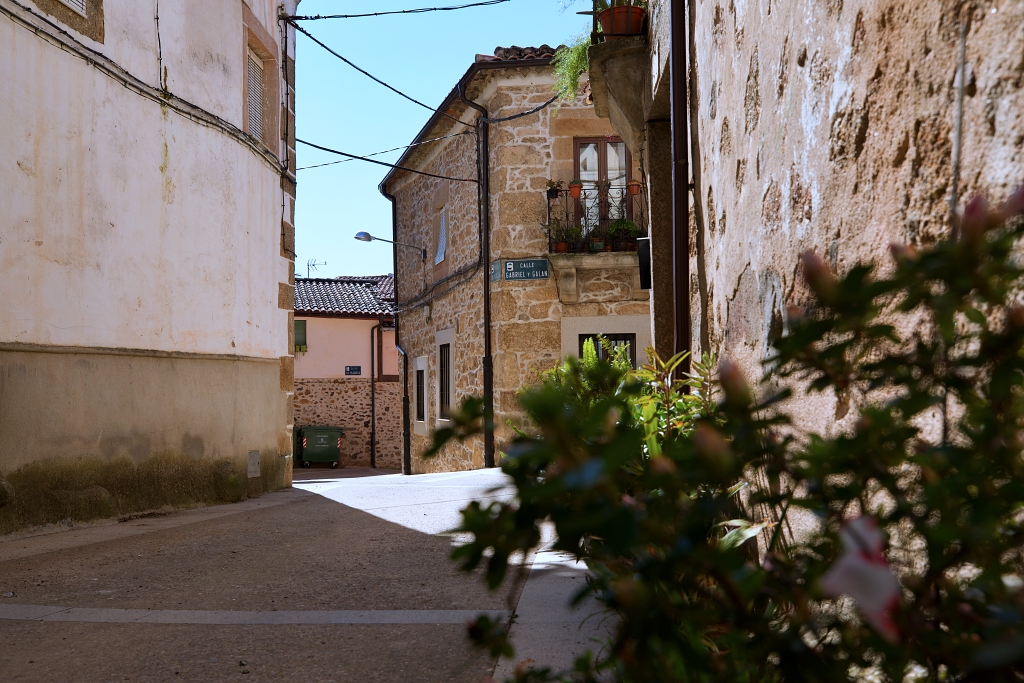
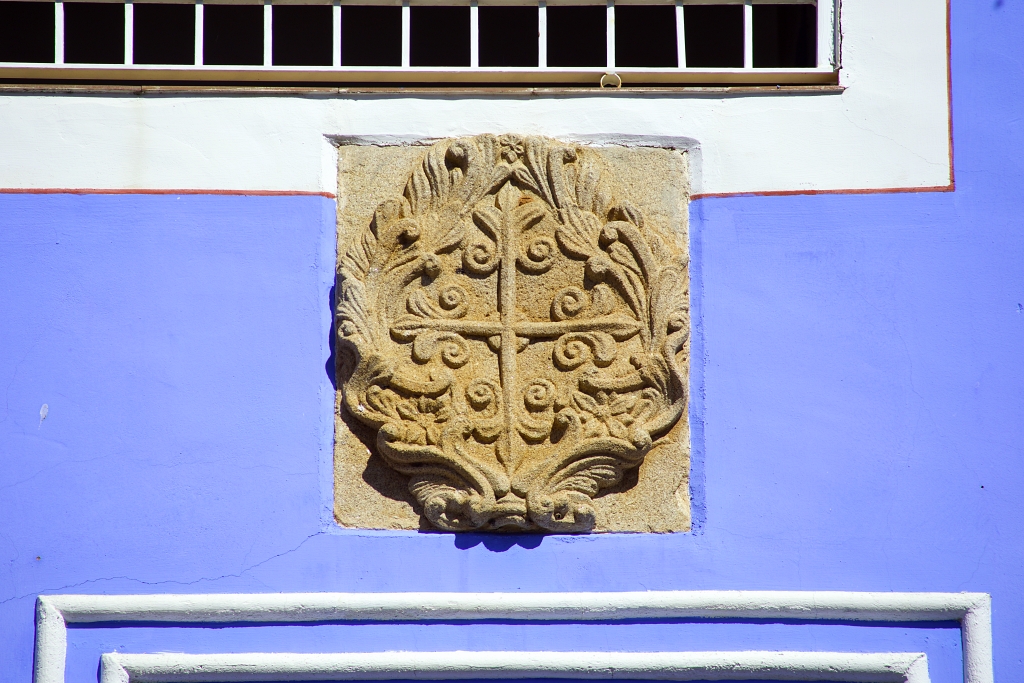
Although the modern development of Cadalso seems to want to hide its rich heritage, there are many streets with fine examples of the traditional style of architecture, not just the Casa del Rey in the square. The curious visitor can discover beautiful stonework or adobe house fronts, exquisitely carved stones in doors and windows, brackets and balconies, fine woodwork and gracefully designed metalwork.
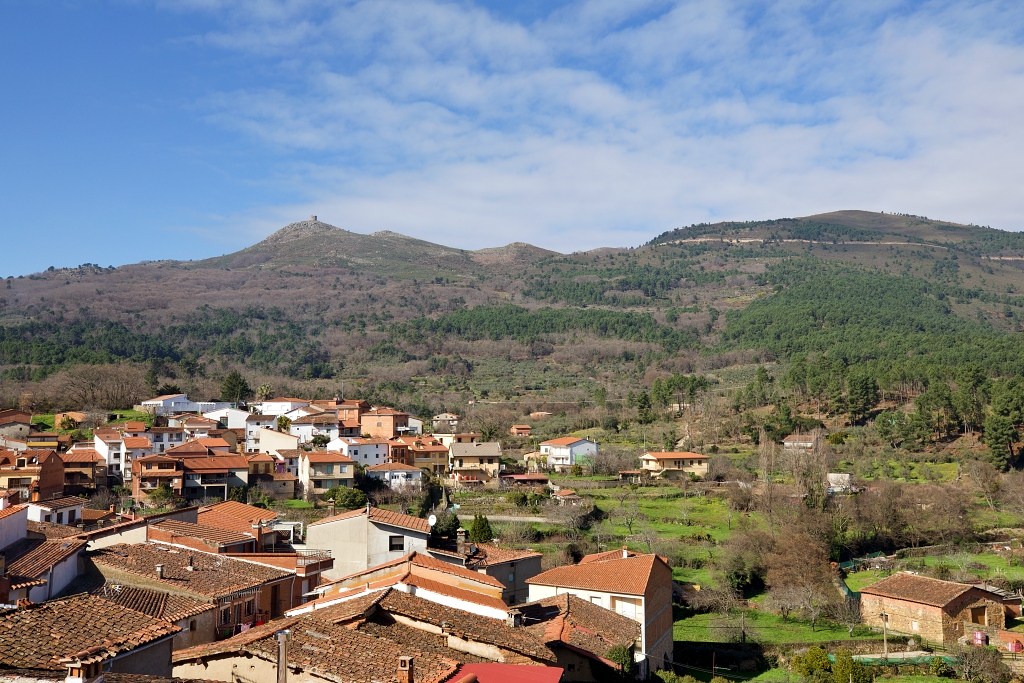
Cadalso's surroundings are dominated by the rocky hill of the Almenara tower and the Sierra de las Jañonas to the west. Its pine-covered high peaks descend in a colourful forest of oak and strawberry trees to a valley filled with olive orchards, fruit trees and vegetable gardens. The ample riverside forest of the Árrago is bound on the eastern bank by olive orchards and oak groves, with pine trees taking over heading up into the Sierra de los Ángeles.
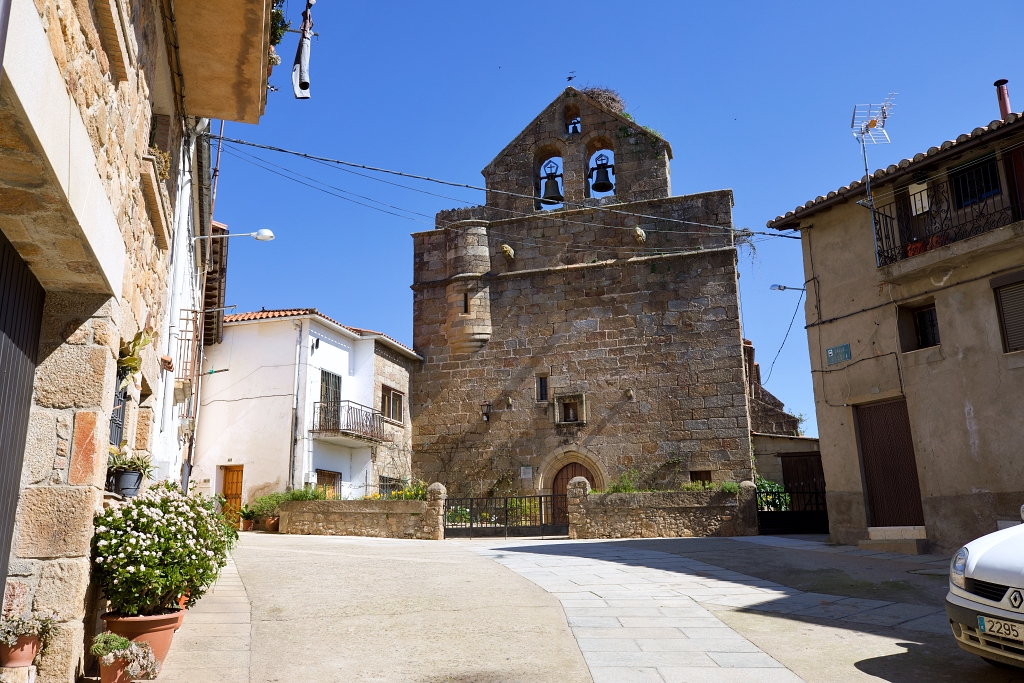
Cadalso has many interesting features, such as the Church of Our Lady of the Conception, the Hermitage of Christ, the King's House, the Fuente Vieja stream and the olive mills. The highlights of its surroundings are the three walking trails of Valgrande, Majadillo and Sierrilla.
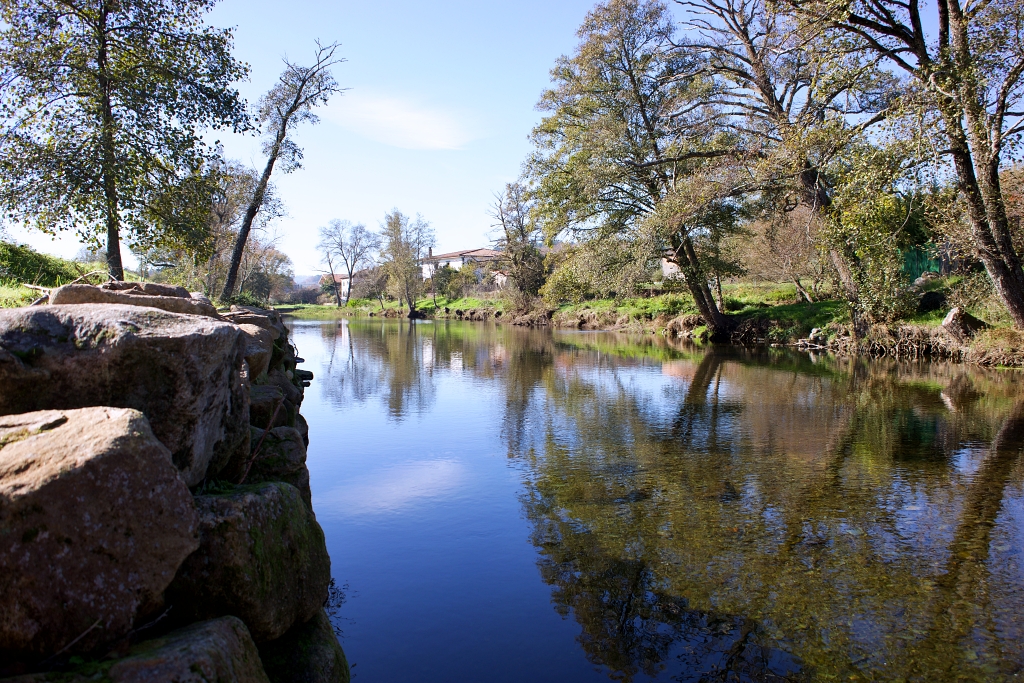
Also deserving of a special mention is the River Árrago, included in the Natura 2000 network as a Special Area of Conservation. In summer you can enjoy its marvellous natural pool with excellent facilities or the dam area where you can still see the old stone channel which supplied water to a flour mill located downstream.